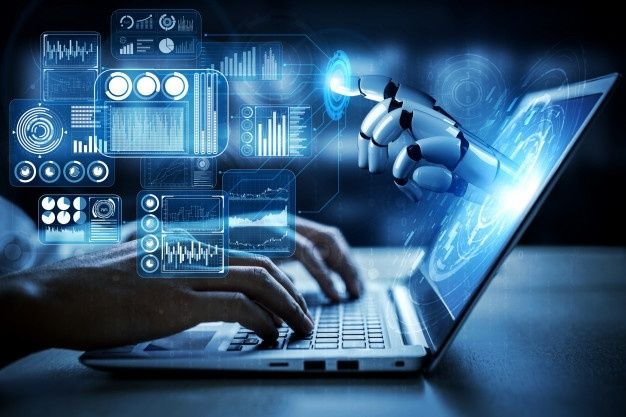


In today’s fast-moving business environment, timing can make all the difference. Companies no longer have the luxury of waiting hours or days to understand what’s happening across their operations. Whether it’s tracking customer behavior, monitoring supply chains, detecting fraud, or measuring sales performance, organizations need information the moment it becomes available. This growing demand for instant insights is driving the adoption of Real-Time Analytics, helping businesses make faster and smarter decisions.
As markets become more competitive and customer expectations continue to rise, organizations that can quickly respond to change are better positioned to succeed. Access to live data isn’t just a technological advantage anymore it’s becoming a business necessity.
What Is Real-Time Analytics?
Real-Time Analytics is the process of collecting, processing, and analyzing data immediately after it is generated. Unlike traditional reporting systems that rely on historical information, real-time analytics provides businesses with up-to-date insights that support immediate action.
Instead of waiting for end-of-day reports or weekly dashboards, decision-makers can monitor performance as events unfold. This allows organizations to identify opportunities, respond to problems, and adapt strategies before small issues become major challenges.
Why Speed Matters in Business
Every business generates enormous amounts of data through customer interactions, online transactions, connected devices, and internal operations. The real value of that information lies in how quickly it can be turned into meaningful insights.
With Data Analytics, companies can monitor changing customer preferences, identify operational bottlenecks, and detect unusual activity almost instantly. Retailers can adjust inventory based on live demand, financial institutions can identify suspicious transactions within seconds, and manufacturers can monitor production equipment before failures occur.
Making decisions while events are still unfolding helps organizations reduce risks, improve efficiency, and deliver better customer experiences.
The Role of Business Intelligence
Modern Business Intelligence platforms are evolving beyond static reports. Today’s solutions combine dashboards, automation, and predictive technologies to provide decision-makers with a complete view of business performance in real time.
These platforms bring together information from multiple sources, allowing leaders to monitor key performance indicators, compare trends, and respond quickly to changing market conditions. With instant visibility into operations, organizations can make informed decisions based on accurate and current information rather than outdated reports.
Turning Data into Action
Collecting information alone is not enough. Successful organizations use Data-Driven Decisions to transform insights into meaningful business actions.
Marketing teams can personalize customer experiences while campaigns are still running. Sales managers can identify emerging opportunities before competitors do. Operations teams can resolve issues before they disrupt customers, and executives can make strategic decisions with greater confidence because they have access to the latest information.
The ability to act immediately often creates a significant competitive advantage in industries where speed and accuracy are critical.
Supporting Digital Transformation
As businesses continue investing in Digital Transformation, real-time data has become one of the foundations of modern operations. Cloud computing, artificial intelligence, Internet of Things (IoT) devices, and connected applications all generate continuous streams of information that require immediate analysis.
Organizations that combine these technologies with real-time analytics can automate routine processes, improve collaboration, and make faster operational decisions. This creates more agile businesses that can adapt quickly to changing customer expectations and market conditions.
Challenges to Consider
While the benefits are significant, implementing real-time analytics requires careful planning. Organizations must ensure their data is accurate, secure, and available across different systems. Managing large volumes of information also requires scalable infrastructure and strong data governance practices.
Another challenge is ensuring employees understand how to interpret live insights effectively. Technology provides the information, but people still play a crucial role in making strategic decisions based on that data.
The importance of Real-Time Analytics will continue to grow as artificial intelligence and automation become more integrated into everyday business operations. Future platforms will not only report what is happening but also predict what is likely to happen next and recommend the best course of action.
Businesses that embrace these capabilities will be better equipped to anticipate customer needs, optimize operations, and respond confidently to an increasingly dynamic marketplace.
Conclusion
In a world where business conditions can change within minutes, waiting for yesterday’s data is no longer enough. Real-Time Analytics enables organizations to understand what is happening right now, empowering them to make faster, smarter, and more confident decisions.
By combining Business Intelligence, advanced Data Analytics, Data-Driven Decisions, and ongoing Digital Transformation, businesses can improve efficiency, strengthen customer relationships, and gain a lasting competitive advantage. Organizations that learn to act on data as it happens will be the ones best prepared to lead in the digital economy.