

Healthcare is evolving faster than ever, and one of the biggest drivers of this transformation is Artificial Intelligence. From improving diagnostic accuracy to helping clinicians make faster decisions, AI is changing the way medical care is delivered. One area seeing remarkable progress is Point-of-Care Diagnostics, where advanced technologies are bringing faster, more accurate testing directly to patients instead of relying solely on centralized laboratories.
As healthcare providers strive to improve patient outcomes while reducing costs and waiting times, AI-powered diagnostic tools are becoming an essential part of modern clinical practice. Whether in hospitals, emergency departments, rural clinics, or home healthcare settings, these intelligent solutions are helping clinicians make informed decisions when every second matters.
Point-of-Care Diagnostics refers to medical tests and diagnostic procedures performed close to the patient rather than in a traditional laboratory. Instead of waiting hours or even days for test results, healthcare professionals can receive valuable clinical information almost immediately, allowing them to begin treatment sooner.
These diagnostic tools are now used across a wide range of healthcare settings, including emergency rooms, outpatient clinics, ambulances, and community health centers. The ability to deliver rapid results has improved both the patient experience and the efficiency of healthcare services.
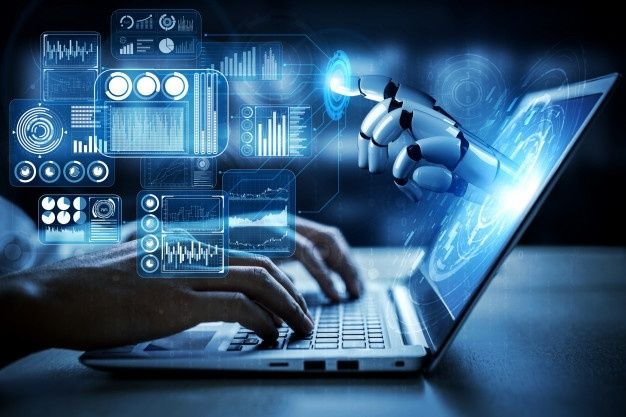
The integration of Artificial Intelligence is making diagnostic tools smarter and more reliable. AI algorithms can analyze medical data in seconds, identify patterns that might be difficult for the human eye to detect, and provide decision support to healthcare professionals.
In Medical Imaging, AI helps identify abnormalities, improve image quality, and assist with interpretation. It also reduces repetitive tasks, allowing clinicians to spend more time focusing on patient care instead of manual analysis.
Rather than replacing medical professionals, AI works alongside them by providing additional insights that support faster and more confident clinical decisions.
One of the greatest advantages of AI-powered diagnostics is speed. Earlier detection often leads to earlier treatment, which can significantly improve patient outcomes, especially during emergencies or when managing chronic diseases.
Healthcare providers also benefit from improved efficiency. AI can automate routine tasks, reduce diagnostic errors, and help prioritize urgent cases. This not only streamlines clinical workflows but also helps healthcare organizations make better use of limited resources.
For patients living in rural or underserved communities, portable diagnostic devices powered by AI are expanding access to quality healthcare. Instead of traveling long distances for specialized testing, patients can receive accurate assessments closer to home.
Rapid advances in Healthcare Technology are making diagnostic devices smaller, faster, and more connected. Portable ultrasound systems, smart diagnostic equipment, wearable sensors, and cloud-connected medical devices are allowing healthcare professionals to access real-time patient information wherever care is delivered.
Many of these devices can securely share diagnostic results with specialists, making collaboration easier and reducing delays in treatment. This connected approach supports more personalized care while improving communication across healthcare teams.
Although AI offers enormous potential, its adoption also brings important challenges. Protecting patient privacy remains a top priority, and healthcare organizations must ensure that sensitive medical information is stored and shared securely.
Healthcare professionals also need appropriate training to use AI-powered tools effectively. Technology should enhance clinical expertise rather than replace human judgment, making education and responsible implementation essential for long-term success.
In addition, regulatory approval and ongoing validation are necessary to ensure AI systems remain accurate, reliable, and safe for patient care.
What the Future Looks Like
The future of AI in Healthcare is filled with exciting possibilities. As machine learning models continue to improve, diagnostic tools will become even more intelligent, helping clinicians detect diseases earlier, predict potential health risks, and recommend personalized treatment options.
Future innovations may also integrate wearable health devices, remote patient monitoring, and predictive analytics into everyday clinical practice. These advancements will support more proactive healthcare, allowing providers to identify problems before symptoms become severe.
As technology continues to evolve, Point-of-Care Diagnostics will become an even more important part of delivering fast, accessible, and patient-centered care.
Conclusion
The combination of Artificial Intelligence and Point-of-Care Diagnostics is transforming healthcare by making medical testing faster, smarter, and more accessible. Advances in Medical Imaging, connected devices, and intelligent diagnostic tools are helping clinicians deliver more accurate care while improving patient experiences.
As healthcare systems continue embracing innovation, the role of AI in Healthcare will only continue to grow. Organizations that invest in these technologies today will be better prepared to deliver efficient, high-quality care while meeting the evolving needs of patients in the years ahead.