AWS says 2027 is largely sold out: how to reserve EC2 capacity
Amazon's CEO says AI demand has booked most of next year's capacity, with some kept back for on-demand. AWS's own documentation sets the rules for customers who want capacity they can count on.
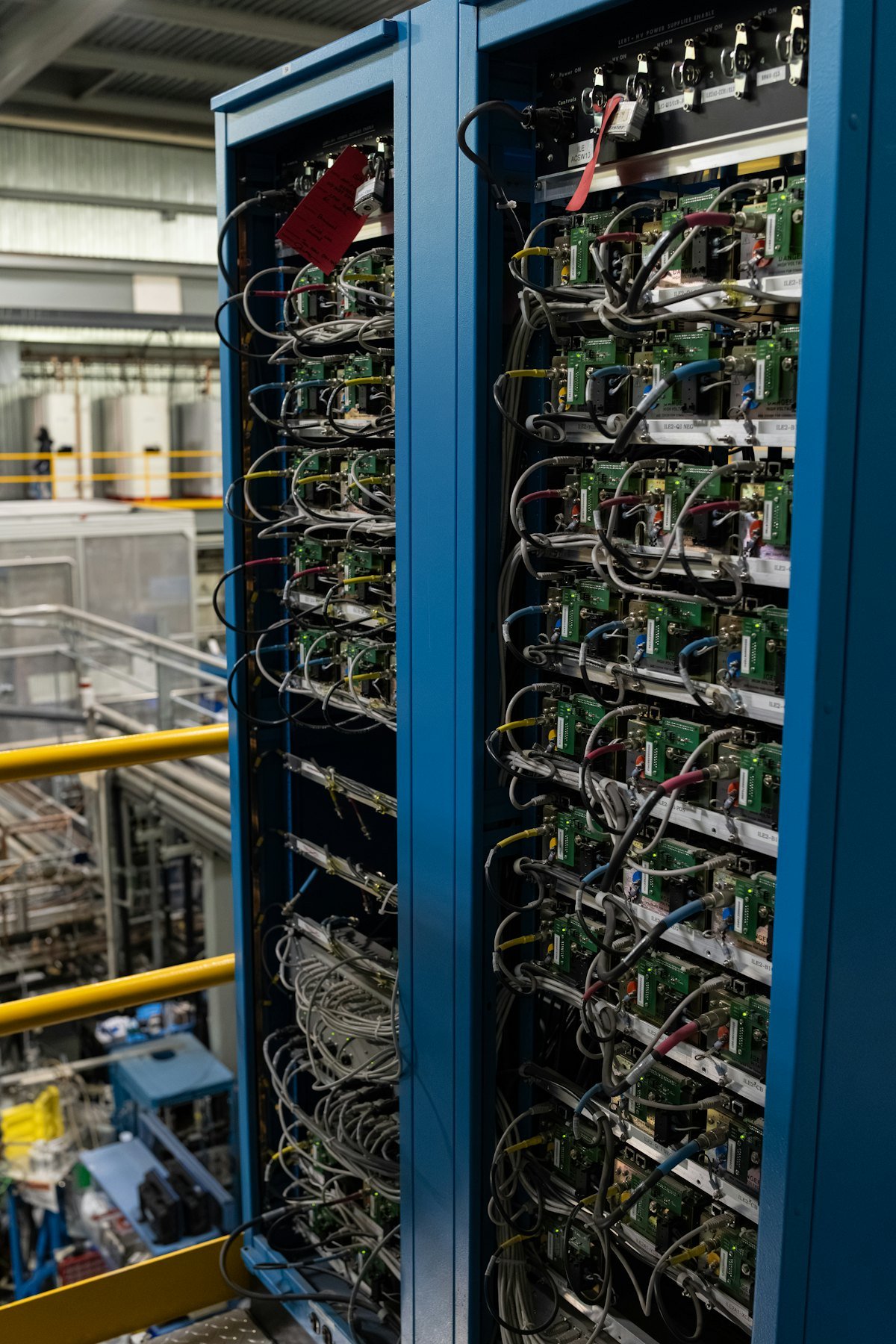
Amazon CEO Andy Jassy says most of AWS's capacity for next year is already spoken for. "2027 is largely sold out," he said, according to Reuters, in an episode of The a16z Show, the Andreessen Horowitz podcast, released on October 23. He added that much of 2028 is booked as well. Jassy put it down to demand for AI infrastructure and said Amazon is struggling to keep up with AI labs and enterprises, even with about $220 billion of capital spending planned for 2026.
For IT buyers the question is what is left for them. According to Reuters, Jassy said Amazon always keeps some capacity back for on-demand use and for Bedrock, its inference service, or EC2. None of the reports we read says which resources are sold out, whether general-purpose instances, GPU and Trainium machines, or capacity already contracted to AI labs. Amazon reports third-quarter results on October 29.
Until then, the safe reading for a company planning 2027 workloads is that on-demand capacity is a shared pool, and the pool is tighter than it was. AWS has three tools built to hold capacity for your account.
The three ways to hold EC2 capacity
| Option | Book ahead | Minimum commitment | Minimum size | Price |
|---|---|---|---|---|
| Capacity Reservation, immediate | Starts now | None, cancel any time | None stated | Billed from when it goes active, no discount of its own |
| Capacity Reservation, future-dated | 5 to 120 days | 14 days (12 weeks for U and X instances) | 32 vCPUs | Billed from when it goes active, no discount of its own |
| Capacity Block for ML | Up to 8 weeks | 1 to 14 days, or multiples of 7 up to 182 days | None stated, up to 64 instances per block | Set by supply and demand when offered, then fixed |
An immediate Capacity Reservation holds instances of one type, platform and tenancy in one Availability Zone. Billing starts when it goes active, and cancelling it stops the charges. Reservations carry no discount of their own. AWS says the discount comes from pairing them with a Savings Plan or Regional Reserved Instances, and that Zonal Reserved Instance discounts do not apply. Active reservations, used or not, count against your On-Demand Instance limits.
Future-dated reservations are the tool for planned growth, and the one most exposed to a tight market. They cover only the C, G, I, M, R and T families, plus U and X instances. AWS assesses each request, typically within five days, against its forecast supply, how early you asked, how long you commit and how big the request is. A request it cannot meet goes to an "unsupported" state and is never delivered. AWS recommends asking at least 56 days (eight weeks) ahead. The minimum is 32 vCPUs, which AWS's own example puts at eight m5.xlarge instances. Once a reservation is active you cannot cut it below the committed count, and cancelling may bring a charge.
Capacity Blocks for ML are sold for fixed periods with a set end time. The longest is 182 days, or 26 weeks. Instances start shutting down 30 minutes before the block ends, so jobs need checkpoints.
What IT teams should do
- List the 2027 workloads that cannot run late: launches, migrations, seasonal peaks, AI projects. For each, note instance type, Availability Zone and start date.
- For anything starting within 120 days, file future-dated Capacity Reservations now, at least 56 days ahead where possible, and have a fallback instance type ready if a request comes back unsupported.
- Put a Savings Plan or Regional Reserved Instances behind each reservation, since a reservation on its own carries no discount.
- Check your On-Demand Instance limits. Active reservations count against them, and so do future-dated requests still being assessed or scheduled.
- Ask your AWS account team in writing which instance families and Regions are constrained for 2027, and listen to the October 29 earnings call for more detail.
Related: AWS's Homer City data center campus and Gemini 4 pricing on Google Cloud.
Sources
- Reuters via Yahoo Finance: Amazon cloud capacity sold out through 2027, CEO Jassy says
- The a16z Show: Amazon CEO Andy Jassy on the $220 Billion AI Buildout
- AWS documentation: Reserve compute capacity with EC2 On-Demand Capacity Reservations
- AWS documentation: Concepts for Amazon EC2 Capacity Reservations
- AWS documentation: How Amazon EC2 Capacity Blocks work
- Scuttlebutt: Andy Jassy: Amazon's $220B 2026 capex still can't meet AI demand
- Techmeme: Andy Jassy says AWS capacity for 2027 is largely sold out