 Andreea Avramescu / Unsplash
News
ServiceNow launches AI Workflow Factory and an unattended coding agent for its platform
The package ties process mining, build agents, App Engine and AI Control Tower into one loop. Pricing was not announced.
Every story, newest first.
Andreea Avramescu / UnsplashThe package ties process mining, build agents, App Engine and AI Control Tower into one loop. Pricing was not announced.
 ThisisEngineering / Unsplash
The $205-a-share offer values PTC at about $23.7 billion including debt. It adds PTC's design and lifecycle software to Schneider's Aveva.
 Mario Gogh / Unsplash
SAP says Joule Work is live for 110,000 of its own staff. No pricing or general availability dates were announced.
 Levart_Photographer / Unsplash
Paid plans get GPT-6 Sol and free users get GPT-6 Luna. For Enterprise workspaces, admin settings decide when staff see it.
 Windows / Unsplash
GitHub Copilot, OpenAI Codex and LM Studio already run inside them. Central management through Intune is not ready yet.
 Andrey Matveev / Unsplash
Its order backlog jumped from $15 billion in June to $50 billion in September, mostly because of one $35 billion deal with Anthropic.
 İsmail Enes Ayhan / Unsplash
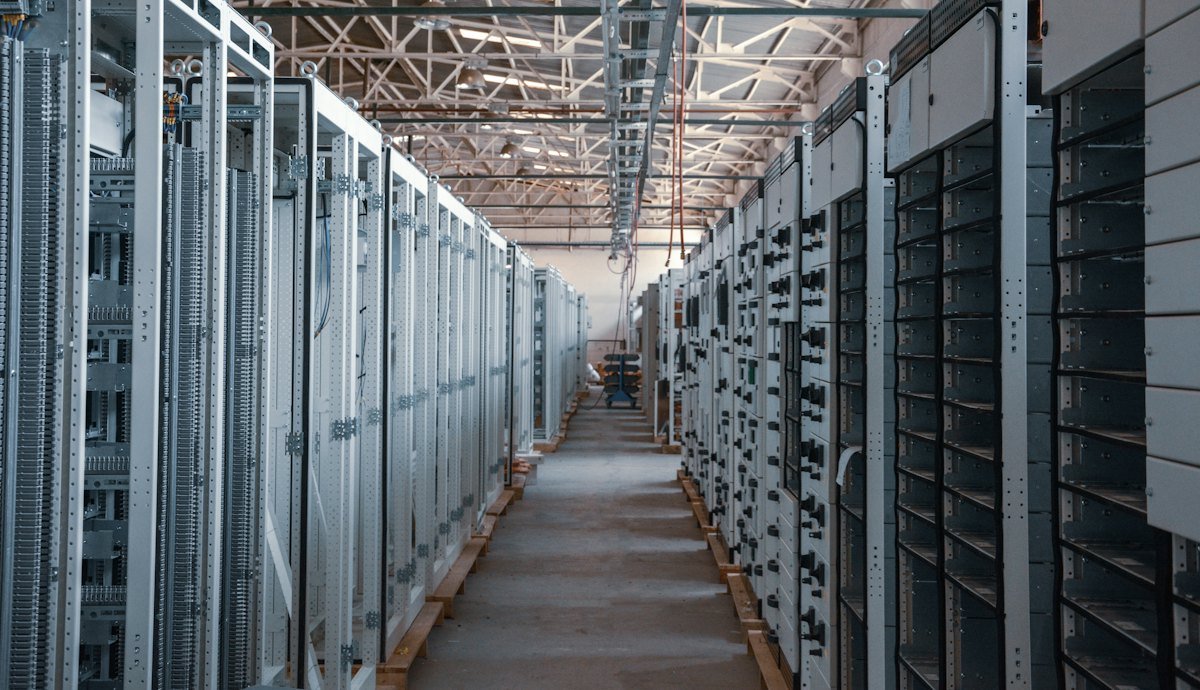
The 1U DL525 ships first. The eight-GPU DL585a follows in spring 2027, and two dense multi-node systems come later in the year.
 User_Pascal / Unsplash
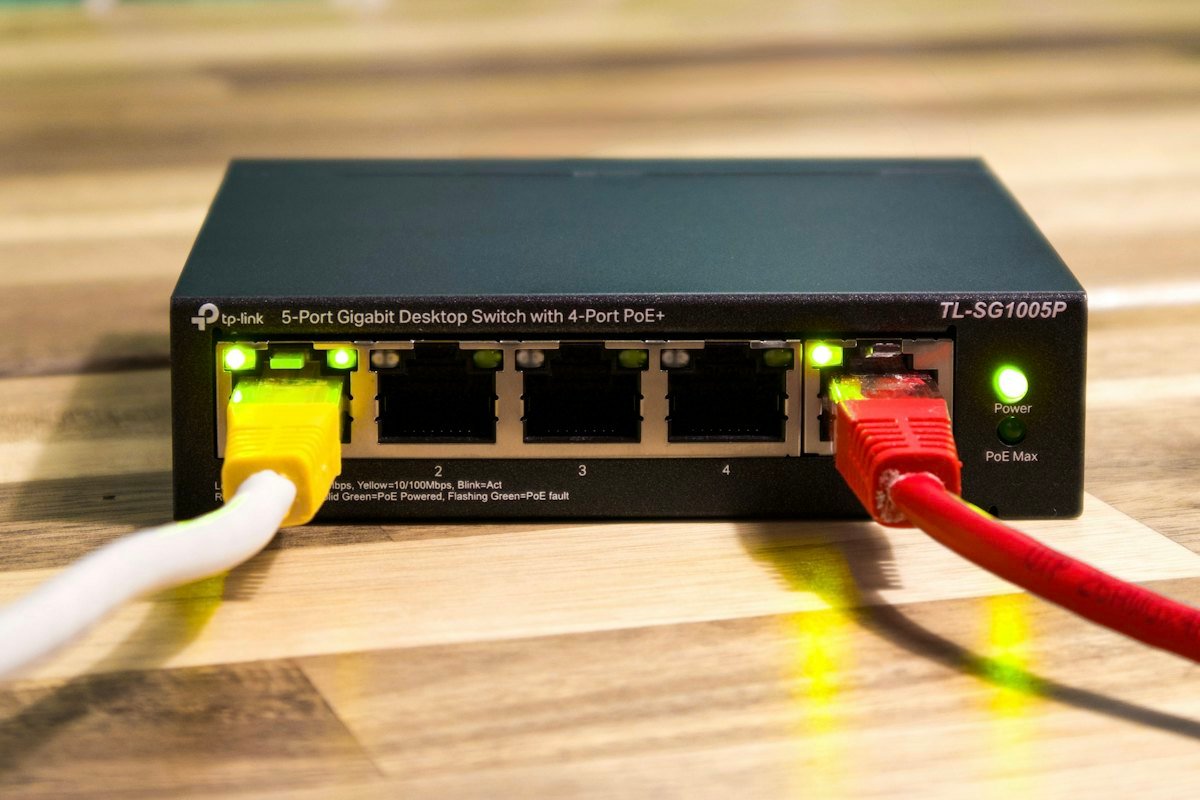
A joint advisory issued on October 6 says the operators sell network access to ransomware groups. No CVE is involved, so a firmware update will not evict them.
 Lukas Blazek / Unsplash
The beta connector reads Workday's shared Iceberg tables directly and keeps Workday as the system of record. Access is read-only.
 Agence Olloweb / Unsplash
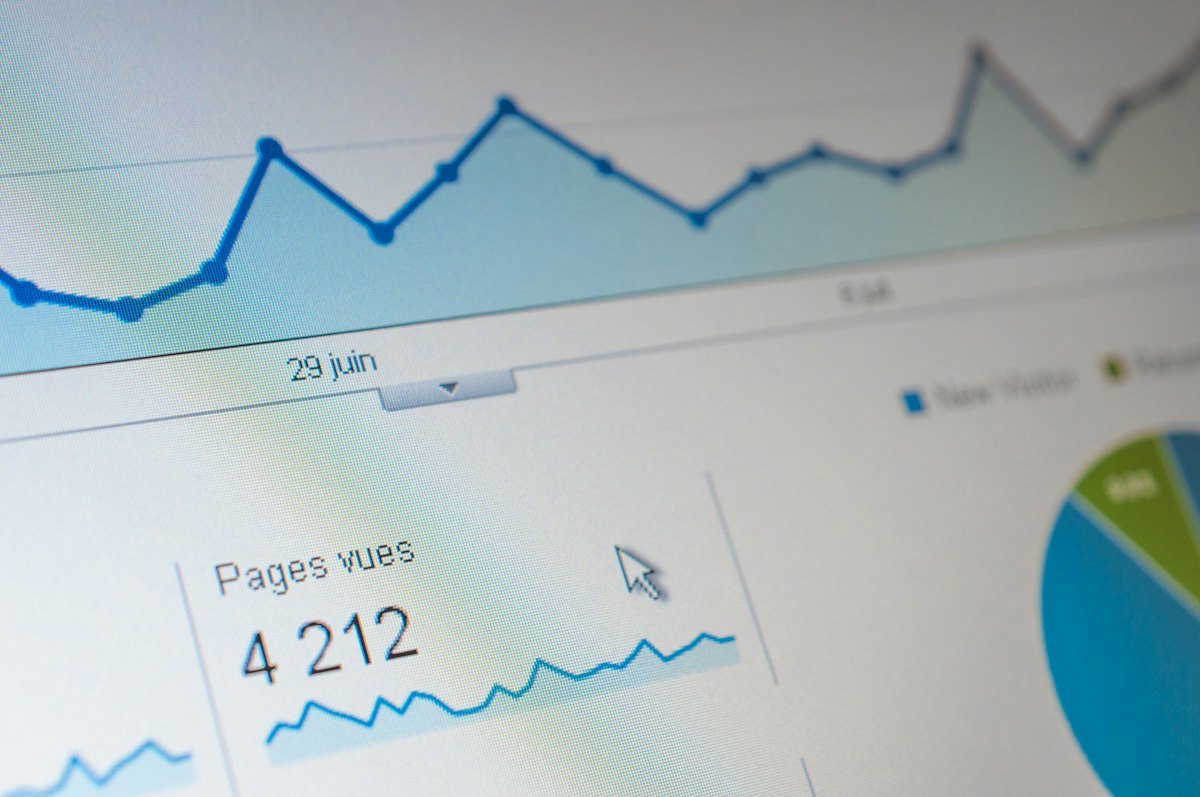
Pipelines, Catalog and SQL are now one product built on Apache Iceberg and R2 storage. You pay when data is ingested, processed or queried, and egress is free.
 Jordan Harrison / Unsplash
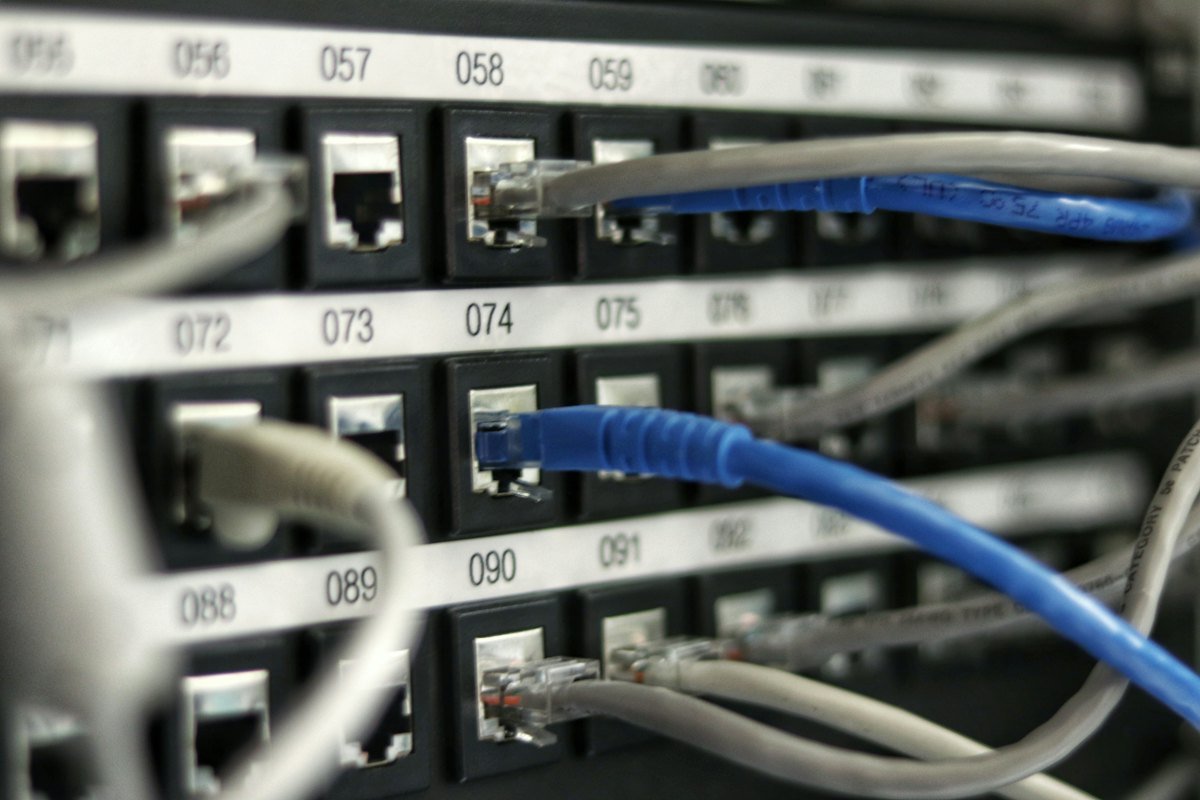
Two of the September flaws were exploited before a fix existed, and a SAML bug was used against appliances last week. One upgrade now covers all three bulletins.
 Billy Joachim / Unsplash
The campus would be built in four phases from December 2026 to 2036, on the site of a coal plant that closed in 2023.
 Compare Fibre / Unsplash
Putting calls, meetings and chat in one place saves time only if the company also changes how it uses them. Otherwise it just adds another app to check.
 Florian Olivo / Unsplash
Most developers now use AI tools, and half of professionals use them every day. Fewer trust the output than a year ago. That gap is what IT policy has to manage.
 Austin Distel / Unsplash
Salesforce reports nine in ten sales teams use AI agents or expect to within two years. Agents working from a messy CRM just make mistakes faster.
 Myriam Jessier / Unsplash
Most CRM platforms can handle a mid-size company's basic needs. The right choice comes down to fit with your other systems, how your team sells, and what it costs in year three.
 Austin Distel / Unsplash
Staff are already using AI tools, approved or not. A strategy is how IT decides which uses to back, which to block and who answers for the results.
 Stephen Dawson / Unsplash
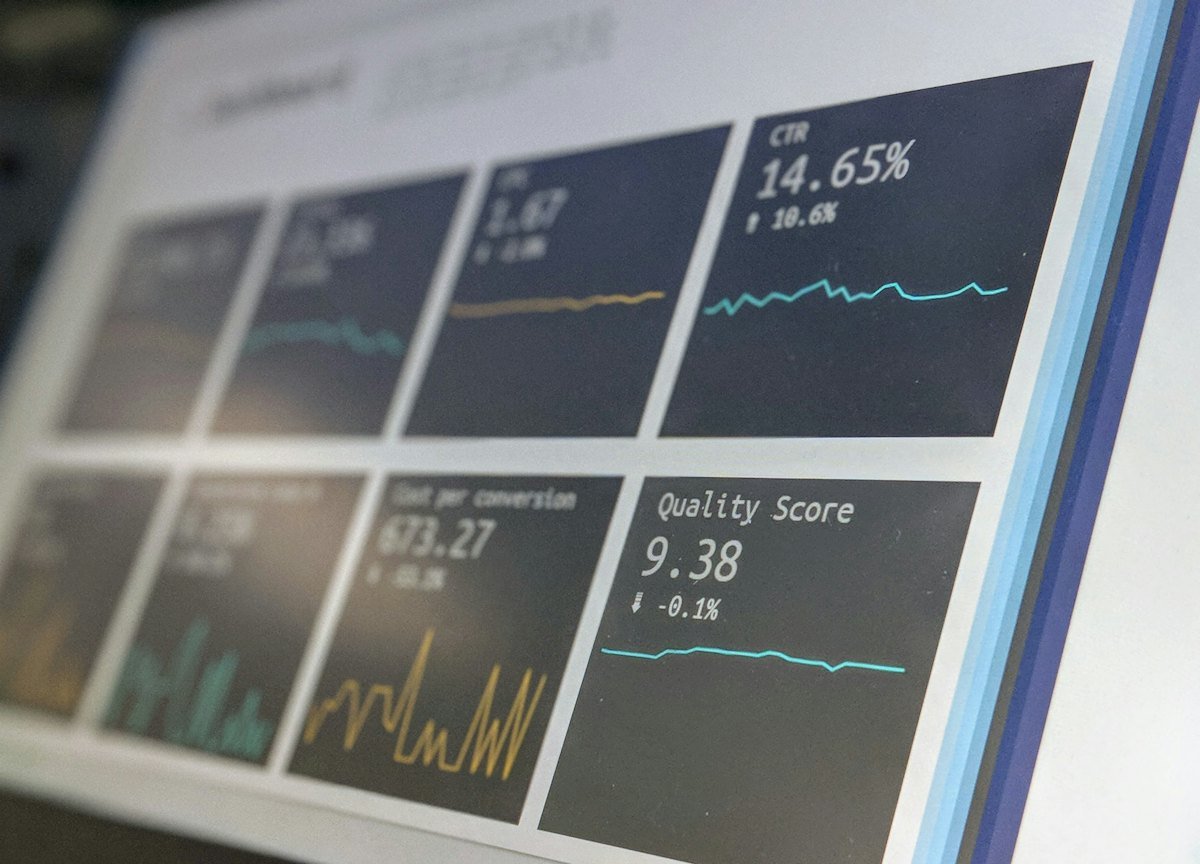
Real-time analytics answers questions while there is still time to act on them. It also costs more to build and run, so the first job is deciding which questions need it.
 Chris Liverani / Unsplash
Most analysis mistakes aren't about math. They come from asking the wrong question of the data, or reading more into a result than it can support.
 1981 Digital / Unsplash
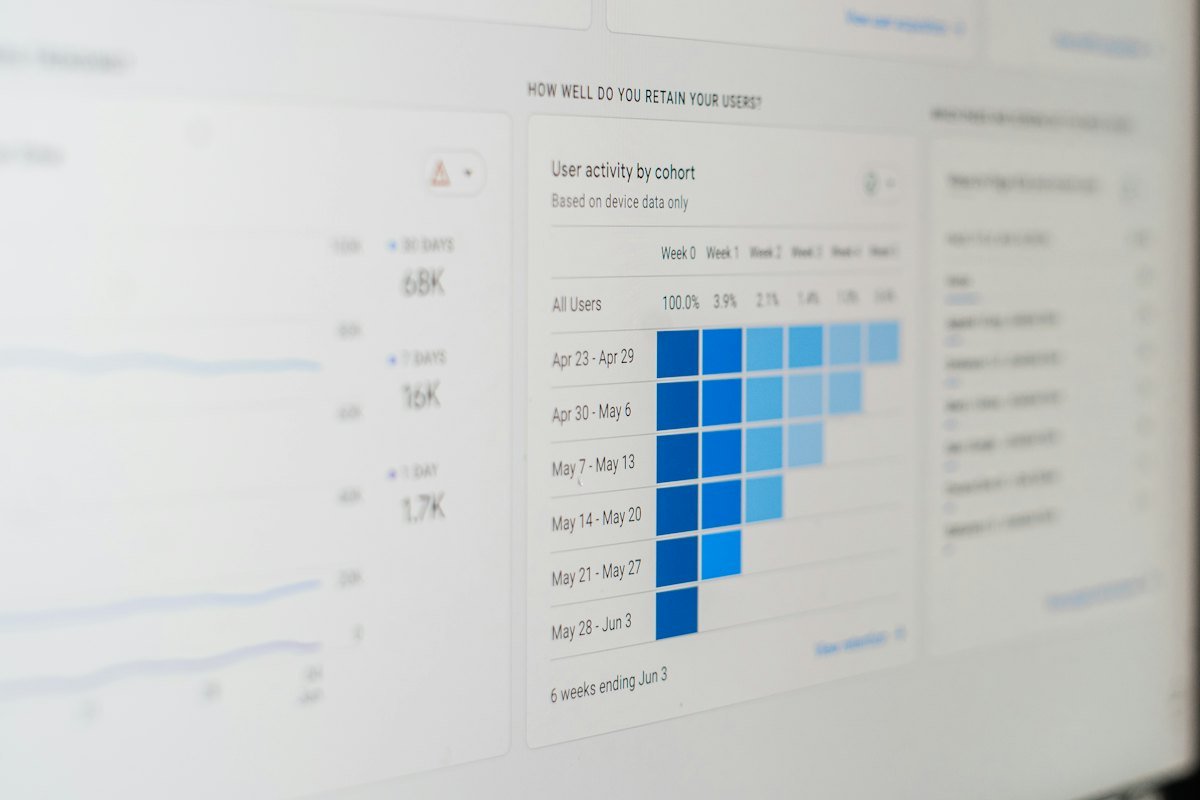
Data management covers eleven areas in the industry's standard framework. A mid-size company doesn't need all of them at once. Here is where to start.
 Christina @ wocintechchat.com / Unsplash
The EU's AI literacy rule has applied since February 2025, and enforcement powers start in August 2026. It asks for less than most vendors' training pitches suggest.
 Shahadat Rahman / Unsplash
Attackers are using AI to work faster, not to invent new attacks. That's the consistent finding from threat reports so far, and it shapes where defenders should spend.
 Steve A Johnson / Unsplash
Nearly nine in ten companies now use AI. Only 37% see any effect on profit. The gap between using AI and getting a return from it is the main story of 2026.
 FlyD / Unsplash
FBI ransomware complaints rose to 3,611 in 2025. The controls that stop most attacks are well known, and most of them are cheap. Here is what to check first.
 User_Pascal / Unsplash
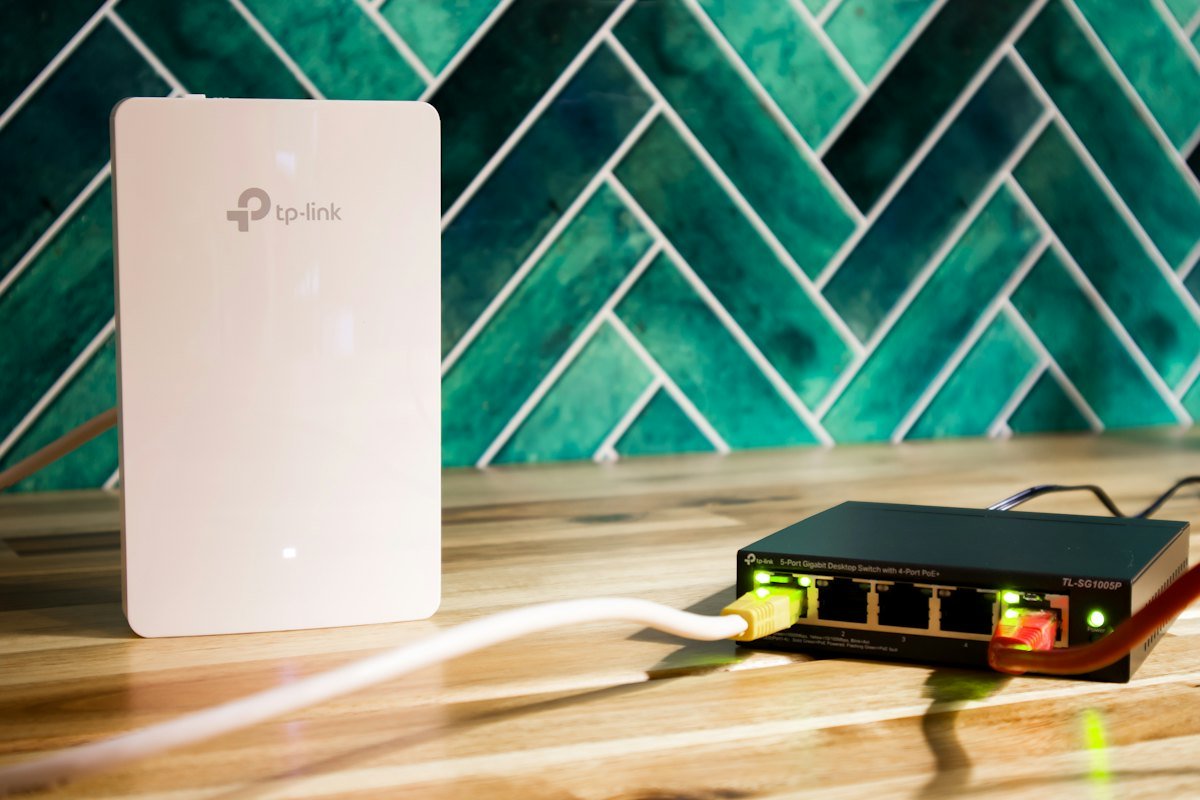
Four changes are reshaping enterprise networks at once. Most of them show up first as contract renewals, so the timing of decisions matters as much as the technology.
 Bernd Dittrich / Unsplash
Data centers used about 1.5% of the world's electricity in 2024. The International Energy Agency expects that to more than double by 2030, with AI the biggest driver.
 Kevin Ache / Unsplash
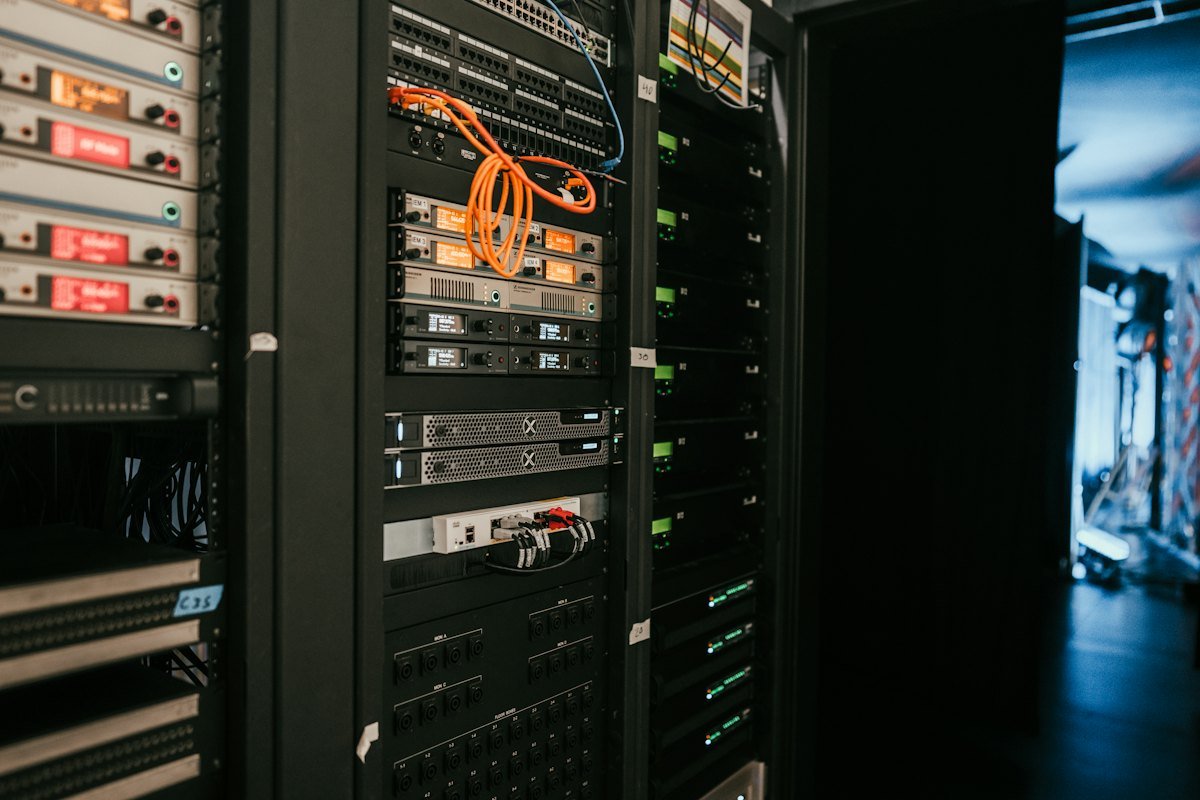
Cloud spending is growing faster than it was before the AI boom. The trends that matter for IT budgets in 2026 all trace back to that.
 Taylor Vick / Unsplash
Most cloud breaches come from settings the customer controls, not from the provider. The NSA's list of ten mitigations is the clearest guide to which settings matter.
 Mohammad Rahmani / Unsplash
An AI system can be attacked through its training data, the models it downloads and the text it reads. Each stage of the pipeline needs its own controls.
 Numan Ali / Unsplash
An AI audit asks what data went in, how the system was tested, and who is accountable when it's wrong. Three frameworks now give companies a common way to answer.
 imgix / Unsplash
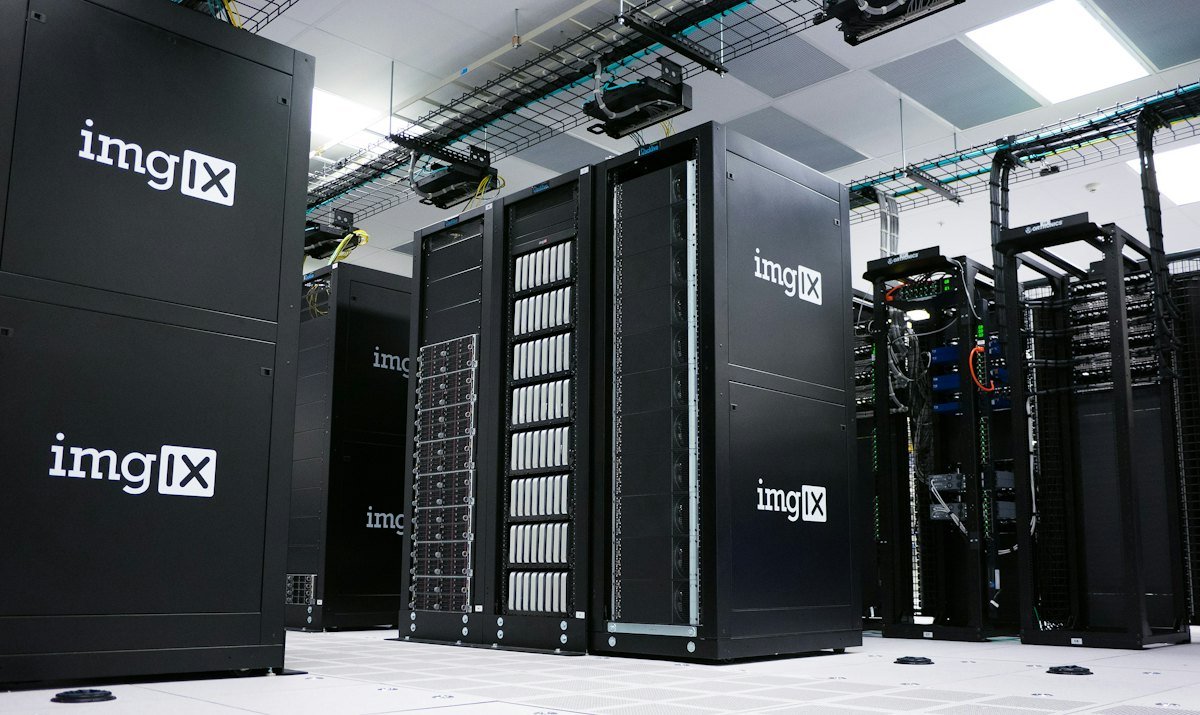
Big data no longer means running a Hadoop cluster. It means cheap object storage, an open table format, and whichever engines you want to query it with.
 Matthieu Beaumont / Unsplash
AI training spreads one job across many GPUs, and the network between them decides how fast it finishes. That has turned data center networking into an AI buying decision.
 Paul Hanaoka / Unsplash
Each cloud has its own identity system, logs and defaults. Securing several at once comes down to applying one set of rules everywhere, and the NSA has published a good starting list.
 Annie Spratt / Unsplash
Employment for young workers in AI-exposed jobs has fallen behind older peers. For junior developers, the response is to get good at the parts of the job AI handles badly.
 Safar Safarov / Unsplash
Every layer that hides complexity also hides problems. The trick is knowing what's underneath when something goes wrong.
 Adi Goldstein / Unsplash
Software vulnerabilities have overtaken stolen passwords as the top way attackers get in, according to Verizon's 2026 breach report. Ransomware shows up in almost half of breaches.
 Emile Perron / Unsplash
An audit of 965 commercial codebases found vulnerable open source in 86% of them. Open source isn't the problem. Not knowing what you're running is.
 Homa Appliances / Unsplash
In a factory or utility, the first question in an incident isn't what data was stolen. It's whether the physical process is still safe.
 Luke Chesser / Unsplash
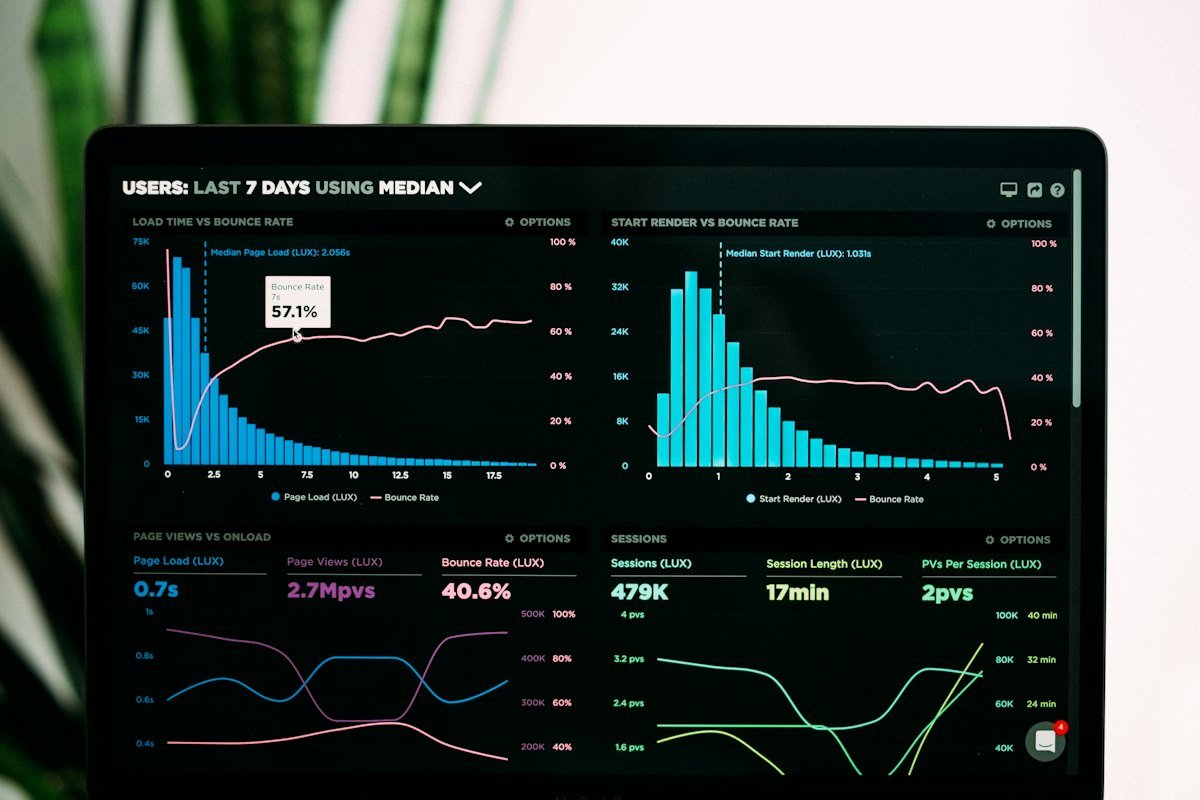
Traditional BI put IT between the business and its data. Modern BI removed that bottleneck and created a new problem: five dashboards with five different revenue figures.
 Milan Malkomes / Unsplash
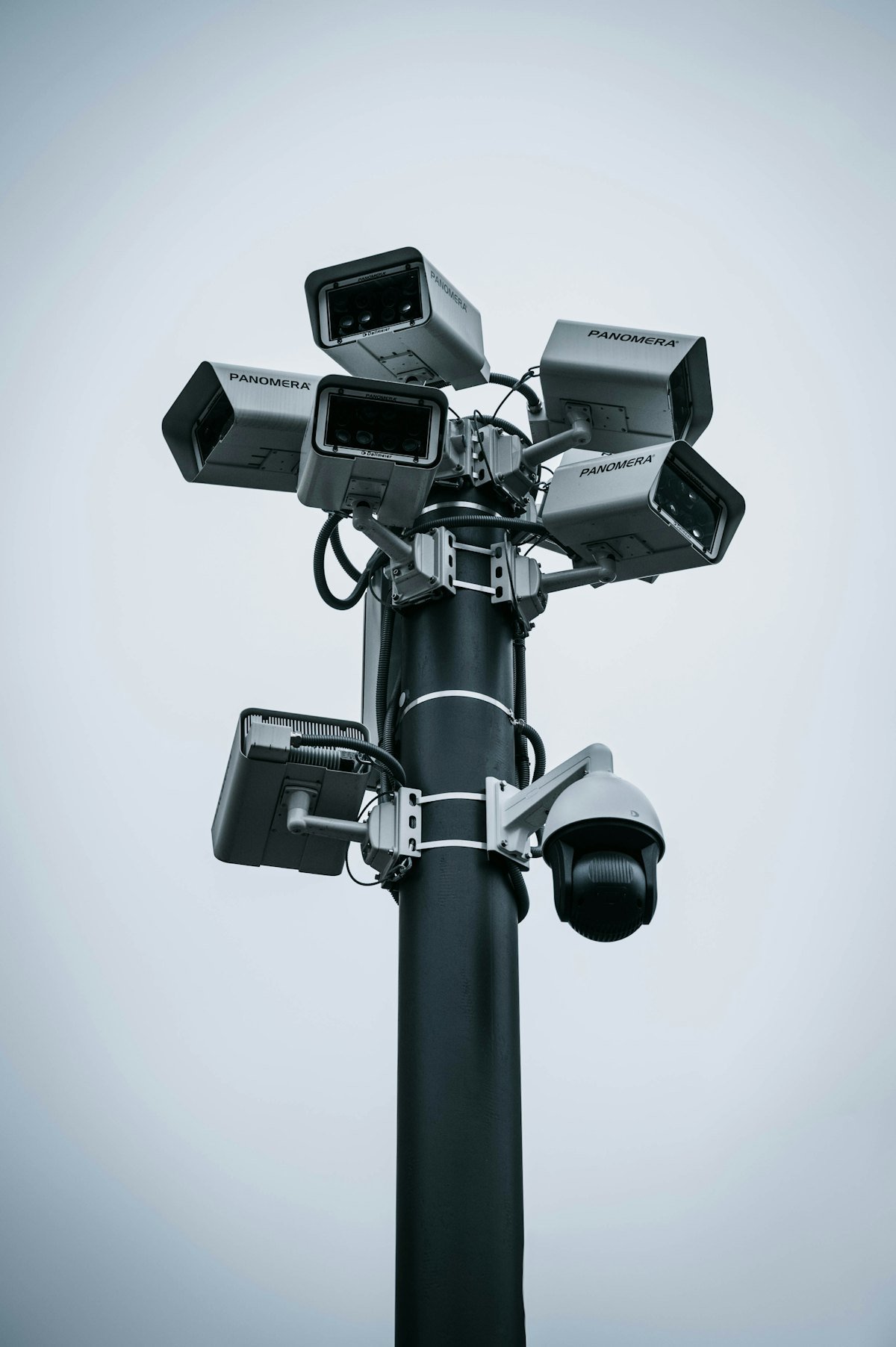
An intrusion detection system watches traffic or hosts for signs of attack. It's an old idea that still catches what endpoint tools miss, especially on devices that can't run an agent.
 Arnold Francisca / Unsplash
Every open source license lets you use the code. They differ on what you owe in return, and that difference decides whether a library is safe to ship inside your product.
 Homa Appliances / Unsplash
RPA software clicks and types through applications the way a person would. That makes it quick to deploy on old systems, and fragile when screens change.
 Balázs Kétyi / Unsplash
Europe's Data Act turns data from connected products into something users can demand, and makes leaving a cloud provider cheaper. Companies selling into the EU have obligations either way.
 Benjamin Child / Unsplash
Since December 2023, a material cyber incident at a US-listed company has a four-business-day disclosure clock. That has moved security from an IT budget line to a board agenda item.
 Chris Ried / Unsplash
OWASP's 2025 Top 10 keeps broken access control at number one and moves software supply chain failures to third. Here is the list, and what to do about it.
 Ali Mkumbwa / Unsplash
Containers ended most "works on my machine" problems. Before rolling Docker out, check one thing: companies with 250 or more staff or $10 million in revenue need paid Docker Desktop seats.
 Kaleidico / Unsplash
A CI/CD pipeline turns every code change into a tested, deployable release. It also holds the keys to production, which makes it a target.
 FlyD / Unsplash
Most attacks on mid-size companies use well-known methods. CIS's Implementation Group 1 is a list of 56 safeguards built to stop them.
 Igor Omilaev / Unsplash
Each major cloud now sells one place to pick models, connect company data, build agents and monitor them. The differences are in model choice, integration and where your data already lives.
 Ruchindra Gunasekara / Unsplash
A warehouse holds cleaned data built for reporting. A lake holds raw data of every kind for whoever needs it later. Most companies end up needing both.
 Dmitrijs Safrans / Unsplash
A SIEM is only as good as the logs it gets and the people tuning it. CISA's guidance reads like a list of the reasons so many deployments disappoint.
 BaljkanN4 / Unsplash
Gartner expects AI agents to resolve 80% of common customer service issues without a human by 2029. Getting there depends less on the AI than on the systems it can reach.
 CHUTTERSNAP / Unsplash
The three cloud service models differ in one thing above all: how much of the stack you still run yourself. That decides your staffing, your security work and how you pay.
 LinkedIn Sales Solutions / Unsplash
Sales teams spend a large share of their week on work that isn't selling. Automation tools target that time, one task at a time.
 Petr Macháček / Unsplash
Business VoIP has merged with collaboration suites. The shortlist now depends on which suite you use and how central calling is to your business.
 Chris Linnett / Unsplash
The most useful decision in a cloud migration is made before any tool is chosen: what happens to each application. AWS's seven Rs give that decision a common vocabulary.
 Albert Sukhanov / Unsplash
Once a company runs more than one cloud plus its own servers, the hard part is seeing and governing all of it in one place. That's the job of a cloud management platform.
 Juanjo Jaramillo / Unsplash
SAST tools scan source code for security flaws before it runs. OWASP's own assessment is that they catch a useful slice of problems, and miss a lot.
 Rodrigo Rodrigues / Unsplash
UCaaS replaces the office phone system with a cloud service that also runs meetings and chat. For most companies, the main decision is whether to use the collaboration suite they already pay for.
 Christina @ wocintechchat.com / Unsplash
NIST's incident response guide went 13 years without an update. The new version treats response as part of everyday risk management, not a separate plan in a drawer.
 Towfiqu barbhuiya / Unsplash
The average company in Zylo's 2026 index spends $55.7 million a year on SaaS across 305 apps. AI features are now the fastest-growing source of surprise charges.
 Philipp Katzenberger / Unsplash
Laptops and servers are better protected than ever. Attackers have moved to the devices around them: phones, edge appliances and machines no one manages.
 Dan Nelson / Unsplash
Mobile apps put company code and data on devices you don't control. OWASP's mobile standard breaks the problem into eight areas to test against.
 Vincent Botta / Unsplash
Your SaaS provider keeps its service running. Keeping your data recoverable after a deletion, a ransomware attack or a bad sync is still your job.
 taro ohtani / Unsplash
Deployment tooling has settled into a few layers: a CI/CD platform to build and test, a deployment method to ship, and a release strategy to limit the damage when something goes wrong.
 Nick / Unsplash
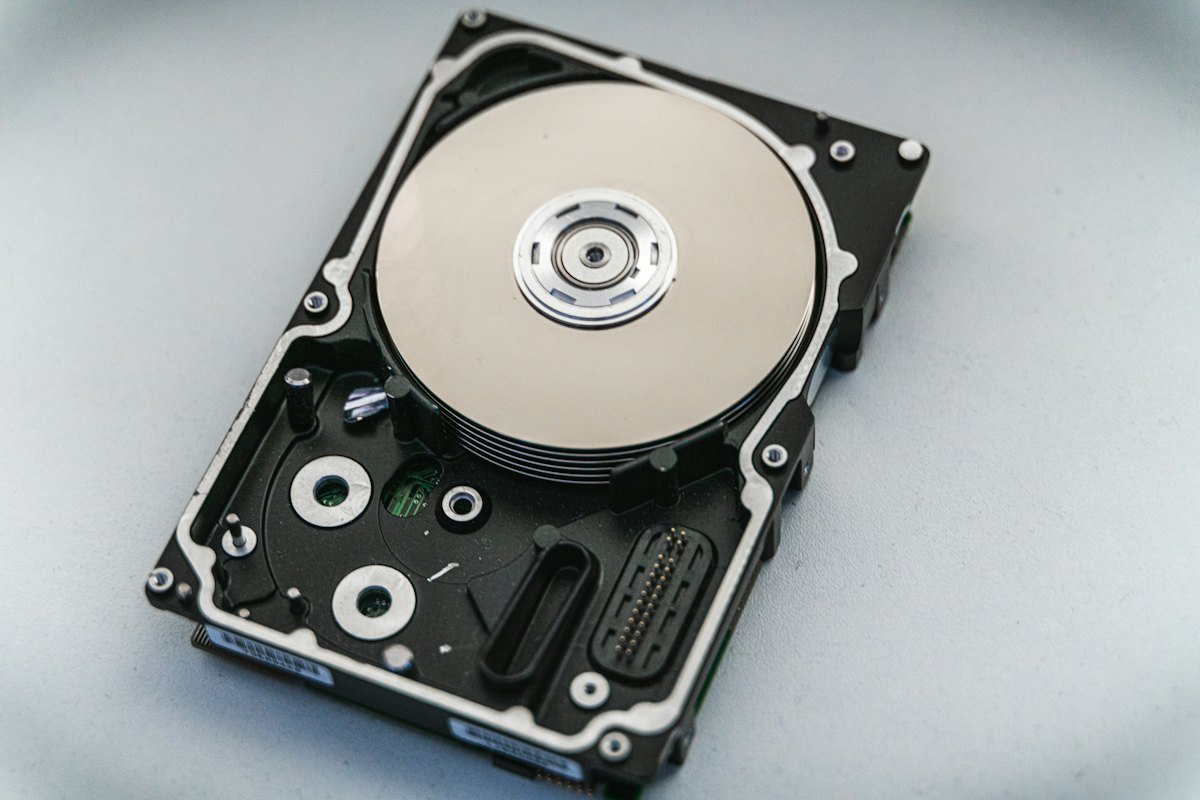
Cloud object storage copies your data across several facilities. That protects against hardware failure, not against someone deleting it, which is where most data loss comes from.
 Yuriy Vertikov / Unsplash
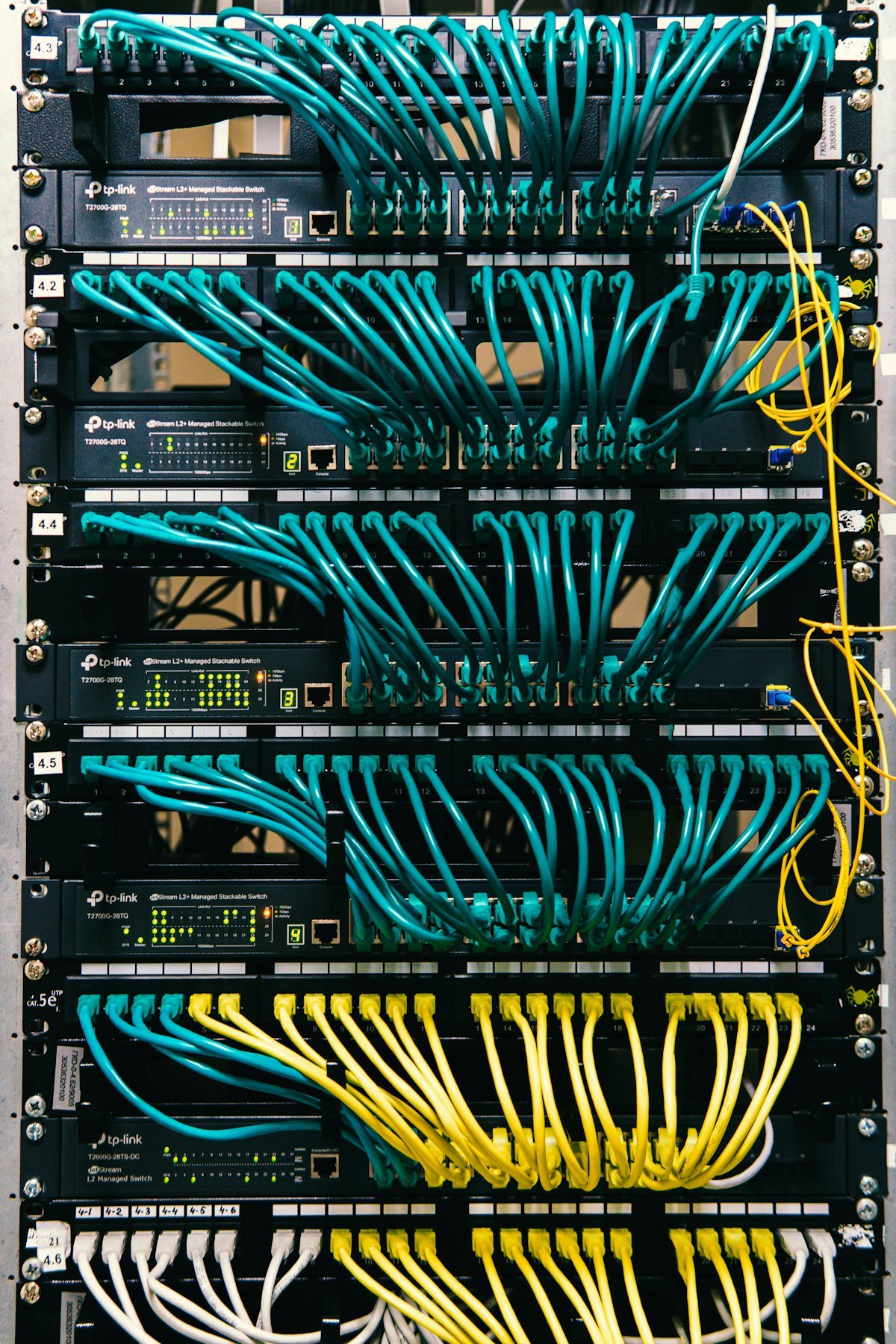
SASE combines networking and security into one cloud service. Gartner expects most companies buying SD-WAN to get it as part of a single-vendor platform within a few years.
 Jakub Żerdzicki / Unsplash
Cloud cost management used to mean finding idle servers. According to the FinOps Foundation's 2026 survey, almost every FinOps team now manages AI spend as well.
 FlyD / Unsplash
Migrations create security gaps: temporary access that becomes permanent, test data copied without controls, and old systems left running. Most of the risk can be planned out.
 Scott Rodgerson / Unsplash
SD-WAN started as a cheaper way to connect branch offices. It is now being folded into combined networking and security platforms.
 George Prentzas / Unsplash
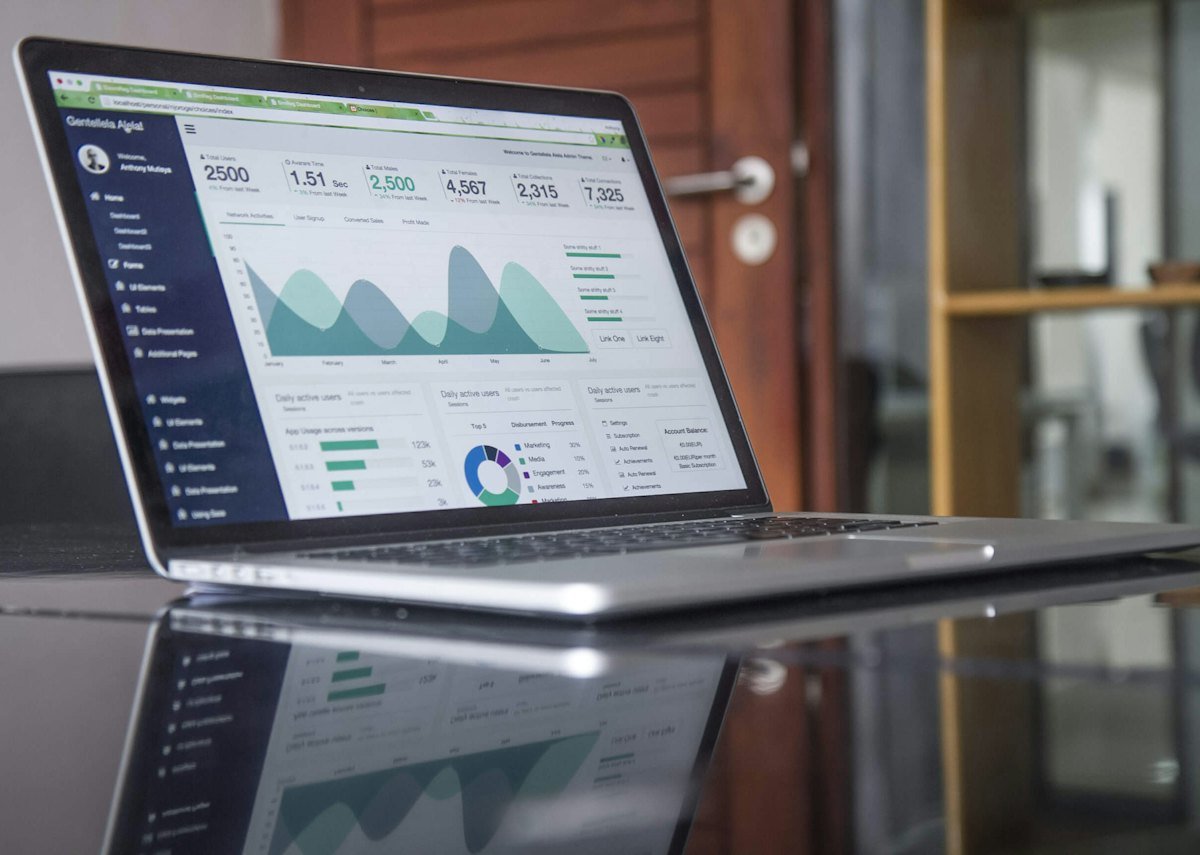
Most attacks now start with a stolen login. CISA's guidance is blunt: SMS codes and push approvals can be beaten, and only phishing-resistant MFA closes the gap.
 Carlos Muza / Unsplash
Big data projects fail more often from vague goals than from technology. The ones that pay off start with one decision the business wants to make better.
 Mohammad Rahmani / Unsplash
Drupal 10 sites have two months of support left. The upgrade is easier on a site that already deploys through a clean, automated pipeline.
 Markus Winkler / Unsplash
NLP is the field that taught computers to work with human language. Chat assistants are its most visible product, but most enterprise uses are quieter.
 airfocus / Unsplash
No single tool tests everything. A working DevOps pipeline usually combines five or six, each chosen for one kind of test.
 Kvalifik / Unsplash
Continuous testing is the part of the pipeline that decides whether fast delivery is also safe delivery. Here's where each kind of test belongs.
 Albert Stoynov / Unsplash
Every report, dashboard and AI project depends on getting data out of business systems and into one place. There are four main ways to do it.
 dlxmedia.hu / Unsplash
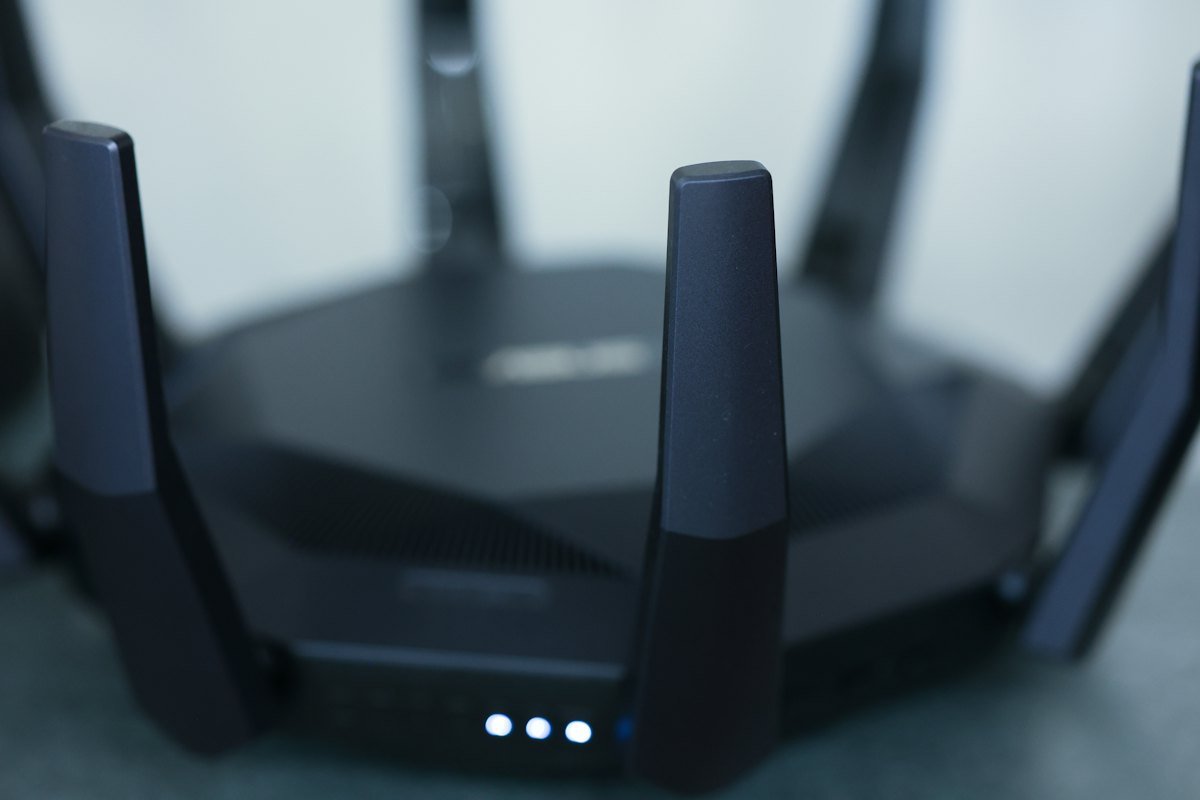
Wi-Fi 7 certification began in January 2024. Its biggest gains depend on the 6 GHz band and on client devices that support it, which is what decides the timing of an upgrade.
 Arlington Research / Unsplash
Many contact centers still run on platforms bought a decade ago. With AI agents arriving, the gap between old and new systems is widening fast.
 Ilya Pavlov / Unsplash
Every team picking its own DevOps tools created sprawl. Platform engineering puts the common pieces behind one self-service platform.
 Taylor Van Riper / Unsplash
Most cloud arguments are really definition arguments. NIST settled the definition in 2011, and it still sorts out what counts as cloud and what is hosting with a new label.
 1981 Digital / Unsplash
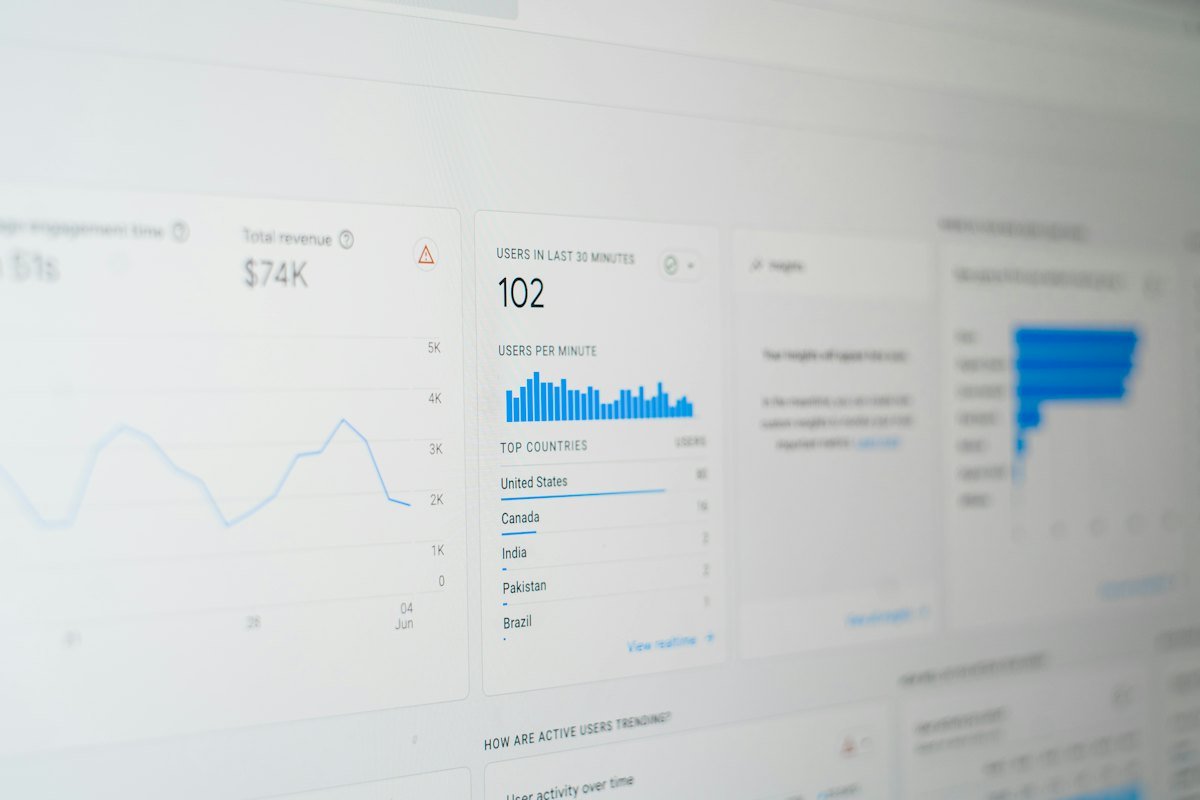
A SIEM gathers security logs in one place and looks for signs of attack. Whether you need your own depends on who will watch it.
 Kirill Sh / Unsplash
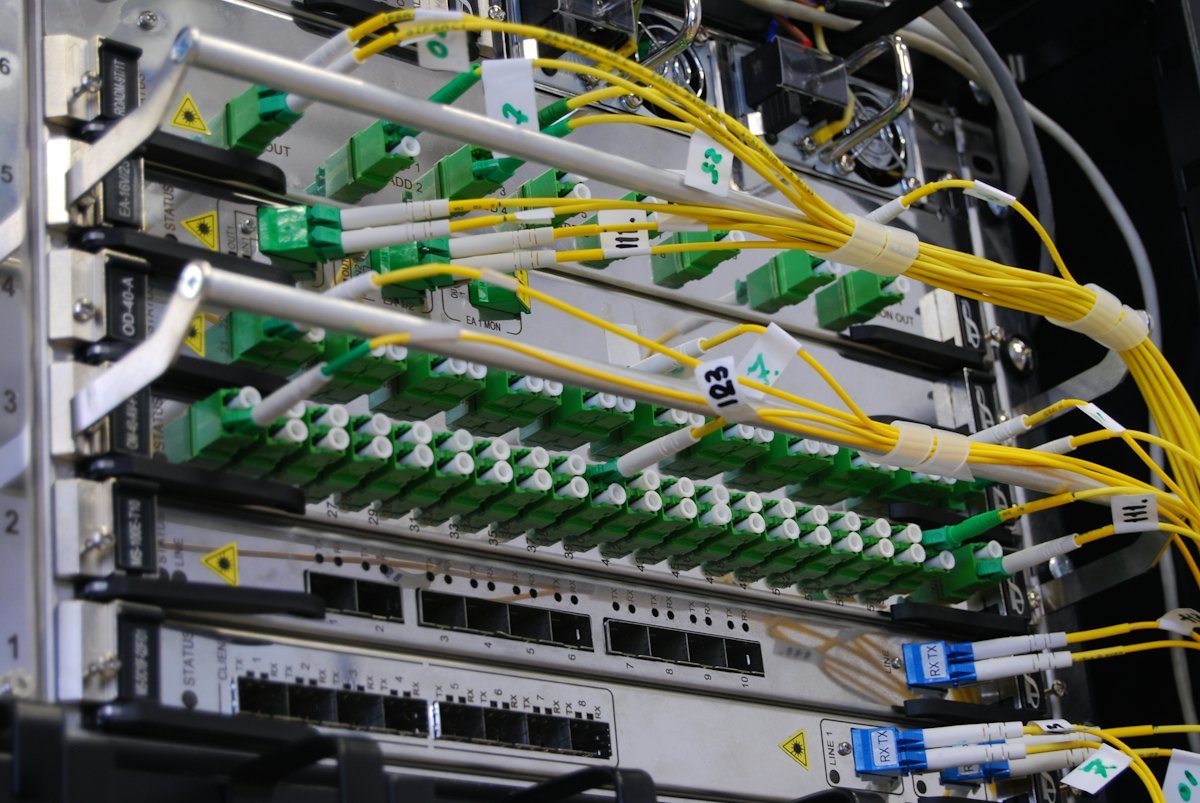
A good network design stops one compromised laptop from reaching everything, and keeps the business running when a link fails. Neither needs exotic equipment.
 Growtika / Unsplash
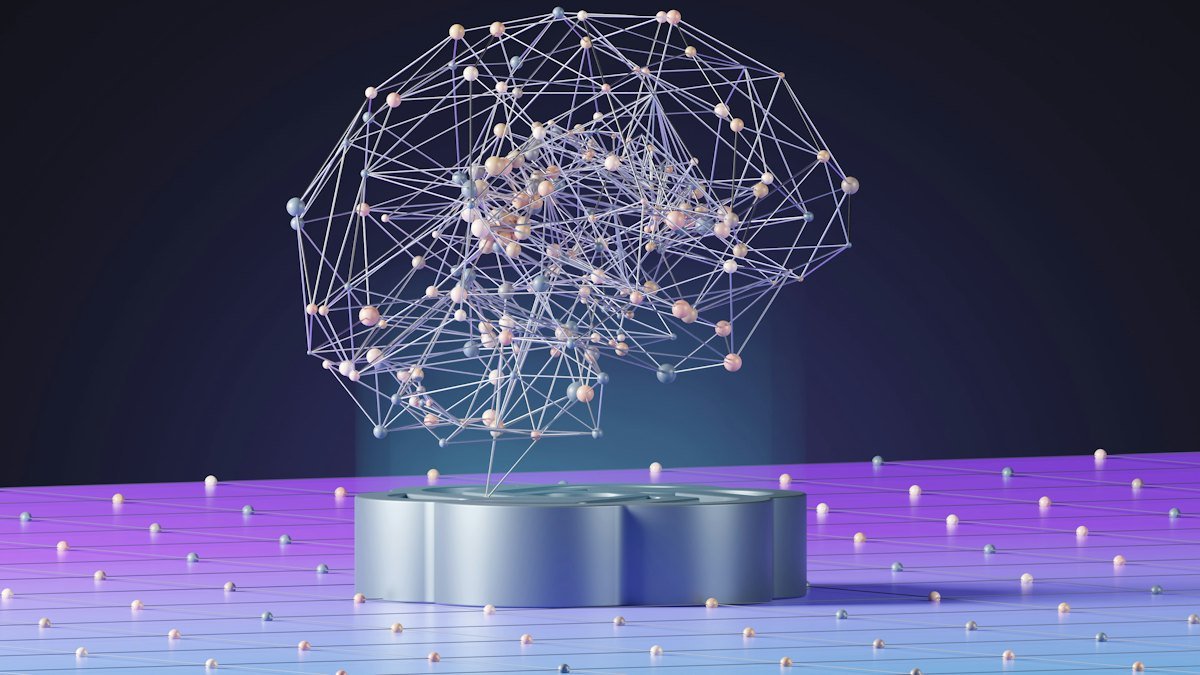
Machine learning finds patterns in past data and uses them to predict new cases. Most business AI that isn't a chatbot is still this kind.
 Franck V. / Unsplash
IT teams that automate the repetitive work get time back for projects. The best starting points are tasks done every week, by hand, the same way.
 CHUTTERSNAP / Unsplash
Once orders arrive from a website, marketplaces, stores and sales reps at the same time, spreadsheets and the e-commerce platform's back office stop keeping up. That's the job an OMS takes on.