Networking trends for 2026: Wi-Fi 7, SASE, AI networks and zero trust
Four changes are reshaping enterprise networks at once. Most of them show up first as contract renewals, so the timing of decisions matters as much as the technology.
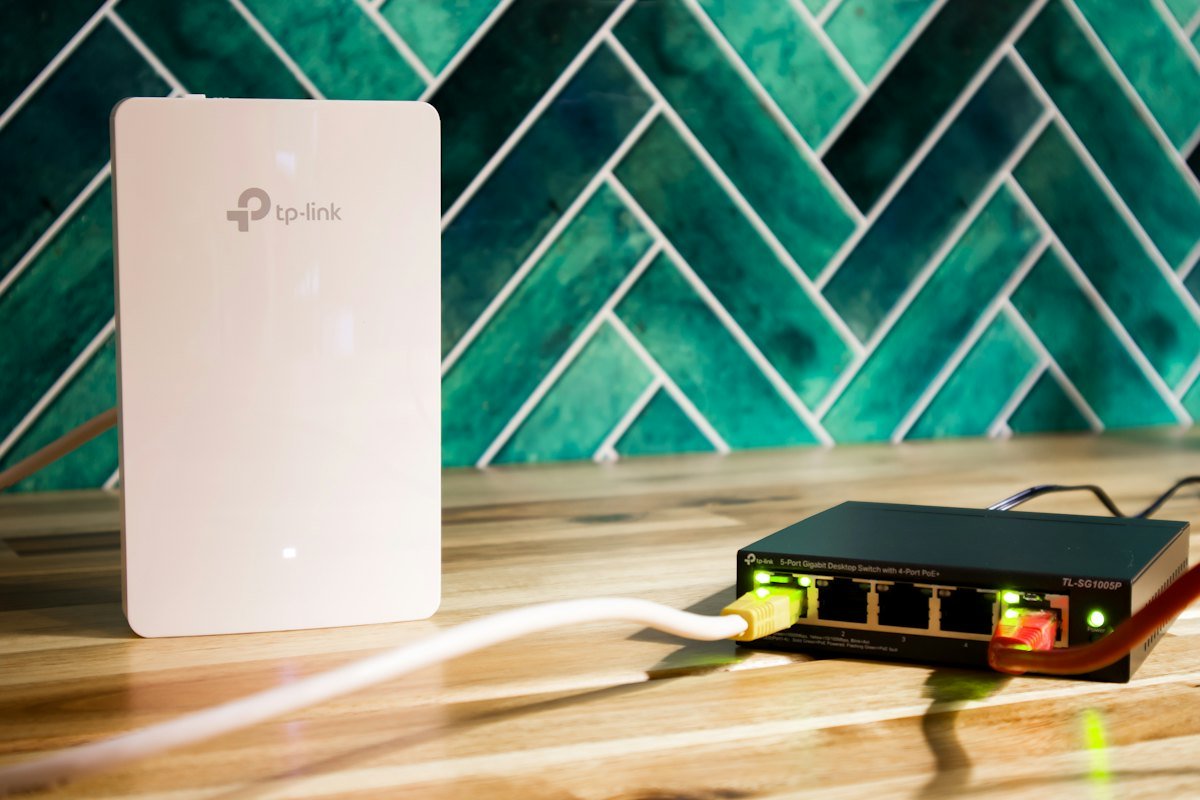
1. Wi-Fi 7 enters office refresh cycles
The Wi-Fi Alliance began certifying Wi-Fi 7 devices in January 2024. Its main gains, wider 320 MHz channels and multi-link operation across bands, depend on the 6 GHz band and on Wi-Fi 7 laptops and phones. As those devices arrive through normal refresh cycles, access point upgrades start to pay off. See our Wi-Fi 7 guide for the upgrade checklist.
2. SD-WAN is becoming part of SASE
Networking and security for branches and remote workers are merging into single platforms. Gartner projects that 70% of SD-WAN purchases will be part of a single-vendor SASE platform by 2028, up from 25% in 2025, according to Virtualization Review. Companies renewing SD-WAN, firewall or VPN contracts in 2026 will face the choice of one vendor or two. Our SASE guide covers what to look for.
3. Ethernet is being rebuilt for AI
AI training clusters need lossless, low-latency networks. The Ultra Ethernet Consortium released Specification 1.0 in June 2025, defining an open RDMA transport over Ethernet for AI and high-performance computing. For buyers, it means more vendor choice for AI cluster networking, and a path that uses existing Ethernet skills.
4. Zero trust access is replacing VPNs
NIST's zero trust architecture, set out in SP 800-207, removes automatic trust based on network location. The most common first step is replacing broad VPN access with per-application access tied to user identity and device health, often delivered as part of a SASE platform.
What ties them together
All four trends turn on contract timing. Access points, SD-WAN circuits, firewalls and VPN licenses each come up for renewal on their own schedule. Lining those dates up on one calendar is the simplest way to make deliberate choices instead of default renewals.
What IT teams should do
- Put every network contract and hardware refresh date on one calendar for the next three years.
- Decide your stance on single-vendor versus multi-vendor SASE before the first renewal arrives.
- Pilot per-application access for one group of remote users as a step away from VPN.