What did the EU Academy data leak expose?
The Commission has not said how many people are affected.
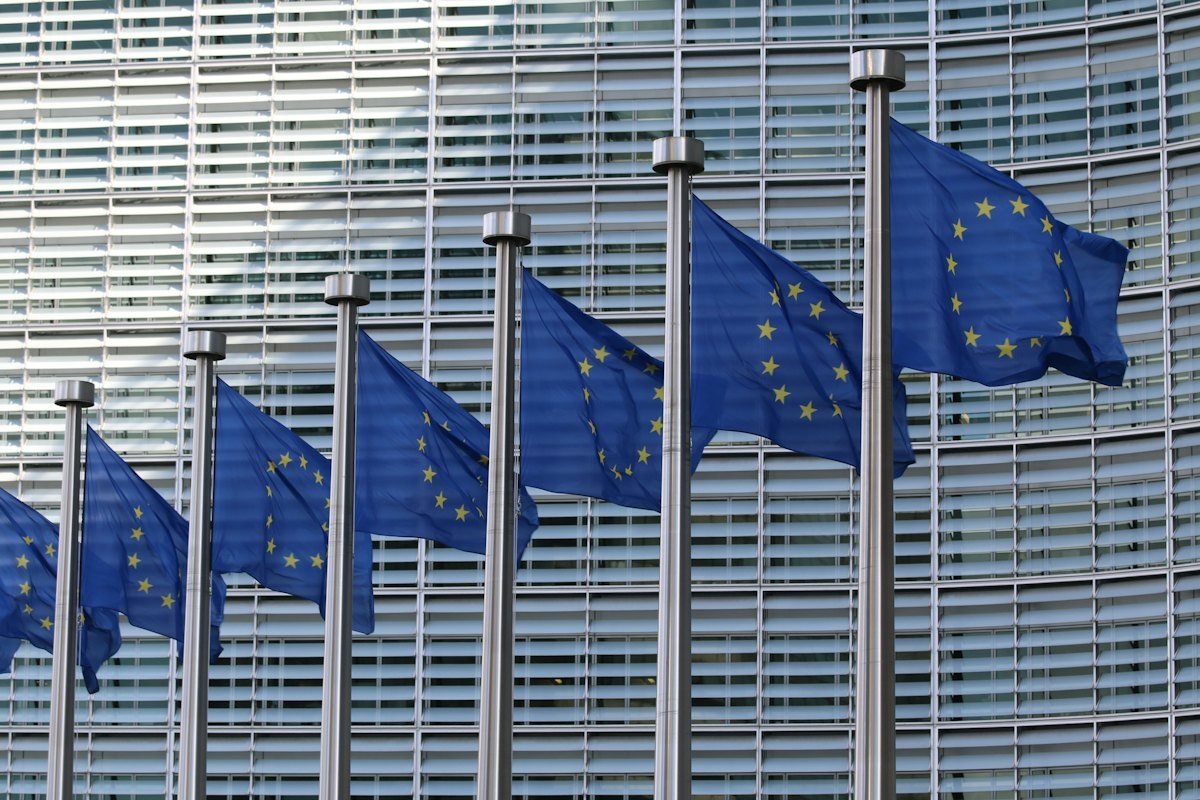
The European Commission confirmed on November 23, 2026 that personal data of EU Academy users leaked in the cyberattack it detected on October 22. An EU official told POLITICO the data was names and email addresses. The Commission has not said how many people are affected. Access to the platform is suspended, and the European Data Protection Supervisor has been notified.
What is EU Academy and who is affected?
EU Academy is an online learning platform that people outside the Commission use to take courses on European Union policies. The users affected are those whose names and email addresses were reportedly taken. Commission spokesperson Thomas Regnier said the exact scale of the leak is still under investigation. One EU official told POLITICO the full extent of the breach remains unclear and that "It's not over yet." The Commission has not published a user count, and it has not said whether any other fields were exposed.
How did the Commission find the attack?
The Commission detected the cyberattack on October 22 and disclosed it the week before the EU Academy news. Several applications were shut down temporarily. At that point the Commission said it saw no sign that staff personal data had been compromised. On Monday, Regnier told reporters the investigation had since found the EU Academy leak. POLITICO reported that the attack left officials unable to enter salary and leave information. In an internal note, Commissioners Henna Virkkunen and Piotr Serafin warned staff that more short interruptions will follow as security upgrades go in.
Who is behind the attack on the Commission?
The Commission has not named an attacker. It confirmed the campaign involved an AI-assisted tool, and Regnier said attribution can only come when the investigation ends. SecurityWeek reports that, according to Euronews, the Commission suspects a group backed by China, and that the suspicion rests partly on Artex, a penetration testing framework powered by AI that has Chinese roots and is widely used by threat actors. The Commission has not confirmed this. The Commission has not publicly identified the tool. Regnier declined to say whether the attack is fully contained or whether the incident is over.
Have EU Academy users been told?
Users have seen a message posted on the EU Academy site, not individual emails. Regnier said the exact scale was still under investigation, so there was no outreach to individual users, and the website message was posted out of transparency. It includes ways for users to seek assistance. Public access to the platform was switched off as a precaution while more security measures go in. The Commission told the European Data Protection Supervisor about the breach.
What should EU Academy users and IT teams do now?
Treat any message that mentions EU Academy or Commission courses as suspect until you confirm it.
- Do not click links or open attachments in unexpected EU Academy or Commission emails. A name and an email address are enough to address a convincing message to a person.
- Go to the EU Academy website directly, not through an email link, and read the notice for the assistance options.
- If you reused your EU Academy password on another service, change it there. The Commission has not said whether passwords were exposed.
- Tell staff who took EU Academy courses that targeted phishing is likely, and flag it to your help desk.
- Watch the Commission's updates, since the scale of the breach is still being established.