UCaaS explained: cloud phones, meetings and messaging in one service
UCaaS replaces the office phone system with a cloud service that also runs meetings and chat. The contract decisions that matter are what you already license, who holds your numbers and how you would leave.
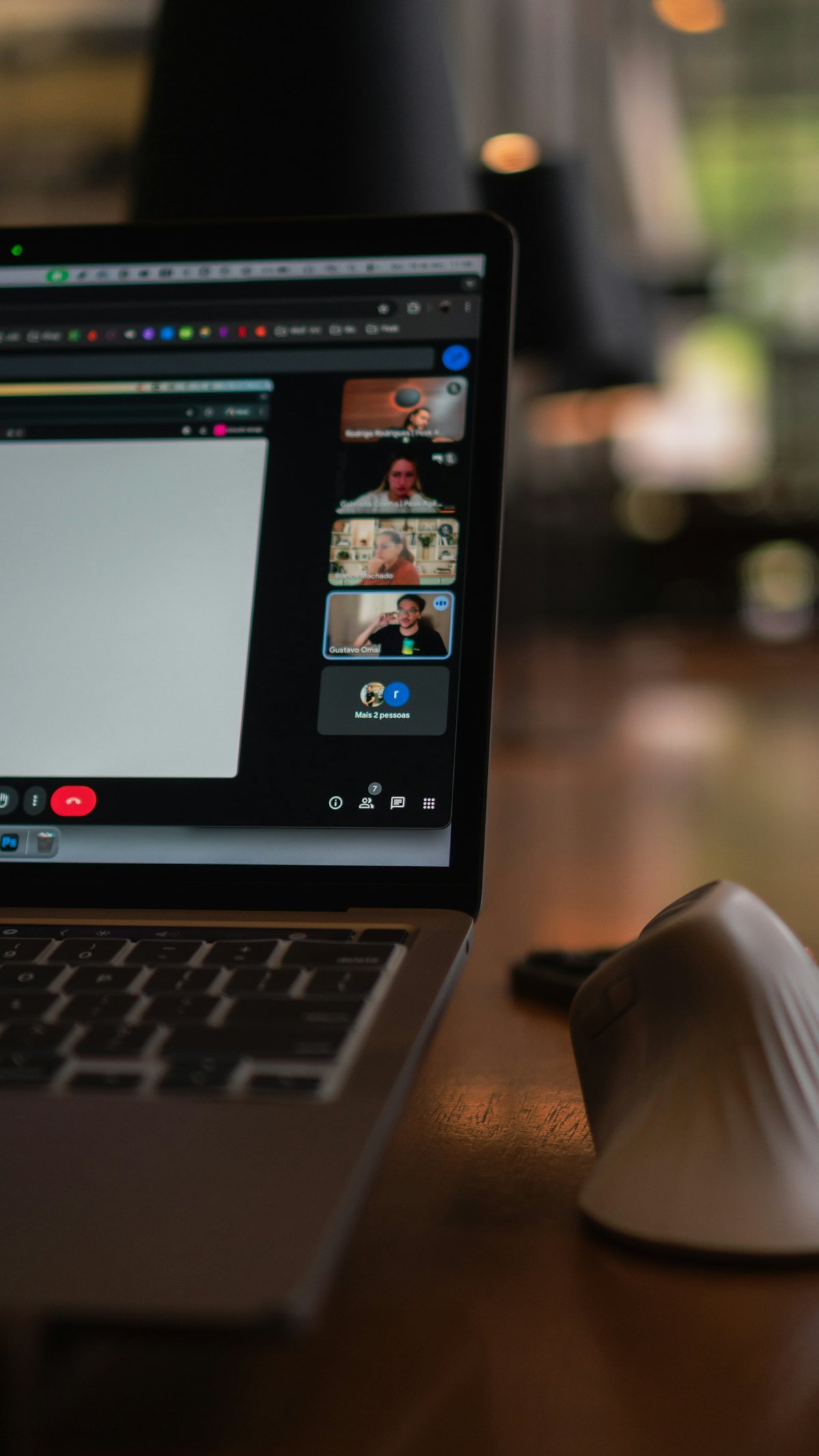
Unified communications as a service (UCaaS) delivers business phone calls, video meetings, messaging and often contact center features from the cloud, on a per-user subscription. It replaces the on-premises phone system (PBX) and the separate tools companies used for each kind of communication. Gartner describes the category as "collaboration-driven communications services": mainly telephony, meetings, messaging and contact center.
What a UCaaS service includes
| Feature | Typical offering |
|---|---|
| Phone system | Business numbers, extensions, call routing, voicemail, auto attendant |
| Meetings | Video and audio meetings, screen sharing, recording and transcription |
| Messaging | Team chat and channels, sometimes SMS |
| Devices | Desktop and mobile apps, desk phones and meeting room systems |
| Integrations | CRM, calendar and help desk connections |
The buying question is the license you already hold
Many companies own part of a UCaaS service without using it. Teams, Zoom and Google Workspace each include meetings and chat, and each sells calling as an addition. Microsoft shows how this works on its Teams Phone page: Teams Phone plans are priced per user per month, and a separate Microsoft Teams license is required for all of them. Price that add-on first, because it may undercut a standalone service.
Specialists such as RingCentral, 8x8, Dialpad, Vonage and GoTo Connect sell the whole service as their main product. They are worth comparing when calling is central to the business, as in sales teams and service desks. The 2026 Gartner Magic Quadrant for UCaaS, published in July 2026 and evaluating nine providers, is the analyst reference most vendors cite. Zoom says it is a Leader in it, and its page does not name the others, so read Gartner's own report before using it to rank vendors. For per-user prices and a yearly cost model, see the VoIP buying guide.
UCaaS or on-premises
UCaaS removes phone hardware maintenance, works the same from the office or home, and scales by adding users. An on-premises system can still make sense where internet links are unreliable, or where existing equipment is paid for and meets current needs. For most companies replacing a phone system, UCaaS is the default.
Numbers, the part people forget
Your phone numbers are the one asset you cannot rebuild, so ask who controls them. Under the FCC's 2010 porting order, a simple port between providers has a one-business-day interval, and a complete request received by 1 p.m. must be ready for activation by midnight. Non-simple ports between wireline providers keep a four-business-day interval, and a business with a PBX, many lines or a main number often has a non-simple port.
That makes the switchover plan the real cost driver. Suppose the old carrier bills $2,000 a month and the new service starts two months before the numbers move. The overlap costs $4,000 before the first user is productive. Ask each vendor for a written porting timeline, a named porting contact and the exit terms for taking numbers back out.
911 for US offices
The FCC's multi-line telephone system rules, in force since February 16, 2020, require a caller to reach 911 without a prefix, a notification to a staffed central location, and a dispatchable location with details such as room and floor. For devices outside the building, the system must send an automated dispatchable location when technically feasible, with a manual or best-available location as the fallback. Ask any provider how a home-office softphone updates its address.
What IT teams should do
- Check what calling features your existing collaboration licenses already include.
- Get a written porting timeline and exit terms for your numbers from every provider.
- Add the overlap months to the cost model and price them against your current phone bill.
- Confirm 911 direct dialing, notification and dispatchable location for offices and remote staff.
- Test call quality on your real networks during a pilot.
Sources
- Zoom: 2026 Gartner Magic Quadrant for Unified Communications as a Service (vendor page)
- Microsoft: Teams Phone plans and pricing
- FCC: Multi-line telephone systems, Kari's Law and RAY BAUM'S Act 911 requirements
- FCC: Off-premises devices and dispatchable location
- Kelley Drye: FCC issues order standardizing number porting process